6 January — On this day the Church celebrates the Solemnity of the Epiphany of the Lord, commonly known as Epiphany or the Feast of the Three Kings. This feast belongs to the most ancient celebrations of the liturgical year and brings the Christmas season to its completion.
At Christmas Christ is born; at Epiphany it becomes manifest who He is and for whom He has come. Epiphany is the feast on which the Church confesses that Christ does not remain hidden, but is revealed to the world.
The Gospel according to Matthew tells how Wise Men from the East, guided by a star, come to Bethlehem to adore the Child. They represent the Gentile nations, who are brought to Christ by God’s guidance and receive the light He has brought into the world.
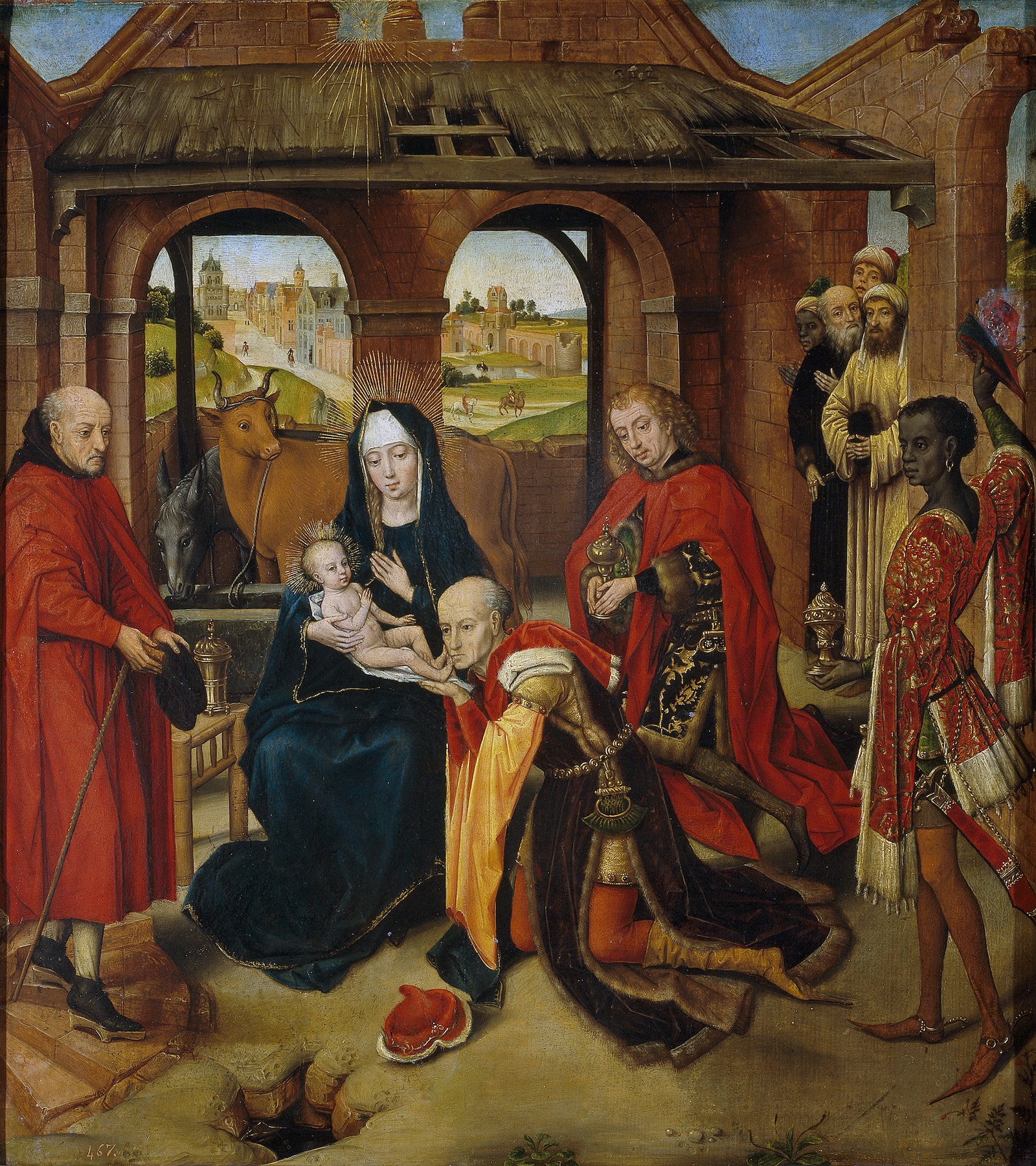
Meditation on the Visit of the Magi
Consider attentively the appearance of the star and the calling of the Wise Men. For the Lord Jesus Christ, who came to enlighten all nations, willed that His birth should be announced to the shepherds by angels, and to the Wise Men by a star. For He instructs the humble and simple through humility, but draws the wise to Himself through that which they already knew.
Thus a new star appeared in the East, not belonging to the ordinary order of the stars, but created in a wondrous manner for this single purpose: to point out the newborn King. It was brighter than the others, distinct in appearance, and moved in a new and unusual way.
When the Wise Men saw it — men learned and experienced in the knowledge of the stars — they immediately understood that such a star signified the birth of a great and extraordinary King, not an earthly one, but a heavenly. And although they did not possess the Scriptures of the prophets, they were given an inner light by God Himself.
At once, leaving behind homes, possessions, and homeland, they set out on a long and arduous journey. They sought neither comfort nor security, but followed only the light that had been given to them. Oh, how great was their faith! Oh, how ready was their heart!
For the star was seen, but the King was not seen; the sign appeared, but the truth remained hidden. Yet they did not doubt, they did not delay, they consulted neither flesh nor blood, but rose and set out on their way.
Consider how God calls whom He wills, when He wills, and by what means He wills. Some He calls through Scripture, others through preaching, others through trial, and others through inner inspiration. These He called by a star, because this was fitting for them.
The Journey of the Magi and the Withdrawal of the Star
The Wise Men continued on their journey, while the star went before them. For many days and nights they travelled on, enduring hardship, cold, thirst, and many privations. Yet they did not lose heart, for the desire burning within them made every hardship light.
But when they approached the land of Judea and came to Jerusalem, the star that had guided them withdrew, so that their faith might be tested.
They were not confounded nor did they despair, but entered the great city with confidence and said openly: “Where is the King of the Jews who has been born? For we have seen His star in the East and have come to adore Him.”
Consider here their steadfastness in faith. The sign disappears, yet they persevere. Consolation is withdrawn, so that man may learn to trust not in the sign, but in God Himself.
Hear how Herod and all Jerusalem with him were troubled. For worldly fear is always disturbed by the proclamation of the truth. Herod feared the loss of his kingship and therefore sought the Child not to adore Him, but to destroy Him.
After they had adored Him, they were warned in a dream not to return to Herod, but to go back to their own country by another way. This signifies that whoever has truly found Christ must not return to his former life, but must walk a different path.
When you find Christ in humility and poverty, do not despise Him, but adore Him. Open the treasury of your heart and offer Him the gold of love, the frankincense of prayer, and the myrrh of self-denial.
Thus you will honour Christ in this present life, and He will lead you to eternal glory. Amen.
Source: Meditationes Vitae Christi (anonymous medieval devotional text).