Gospel of the Sunday (John 20:19–31)
AT THAT TIME, when it was evening on the first day of the week, and the doors of the place where the disciples were gathered were shut for fear of the Jews, Jesus came and stood in their midst and said Peace be to you. And when He had said this, He showed them His hands and His side. The disciples therefore were glad when they saw the Lord. He said therefore to them again Peace be to you. As the Father hath sent Me, I also send you. When He had said this, He breathed on them and said to them Receive ye the Holy Ghost. Whose sins you shall forgive, they are forgiven them, and whose sins you shall retain, they are retained. Now Thomas, one of the twelve, called Didymus, was not with them when Jesus came. The other disciples therefore said to him We have seen the Lord. But he said to them Except I shall see in His hands the print of the nails, and put my finger into the place of the nails, and put my hand into His side, I will not believe. And after eight days, again His disciples were within, and Thomas with them. Jesus came, the doors being shut, and stood in the midst and said Peace be to you. Then He saith to Thomas Put in thy finger hither, and see My hands, and bring hither thy hand and put it into My side, and be not faithless, but believing. Thomas answered and said to Him My Lord and my God. Jesus saith to him Because thou hast seen Me, Thomas, thou hast believed. Blessed are they that have not seen and have believed. Many other signs also did Jesus in the sight of His disciples, which are not written in this book. But these are written, that you may believe that Jesus is the Christ, the Son of God, and that believing you may have life in His name.
LOW SUNDAY is the first Sunday after Easter and closes the Octave of Easter. For eight days the Church celebrates the Paschal feast as one single day. With this Sunday the solemn Paschal octave is brought to its completion.
This day is also called White Sunday or Dominica in albis. In the ancient Church the newly baptized wore white garments from the Easter Vigil as a sign of the grace they had received. On this Sunday they laid aside these garments, while the innocence they symbolized was to remain in their souls.
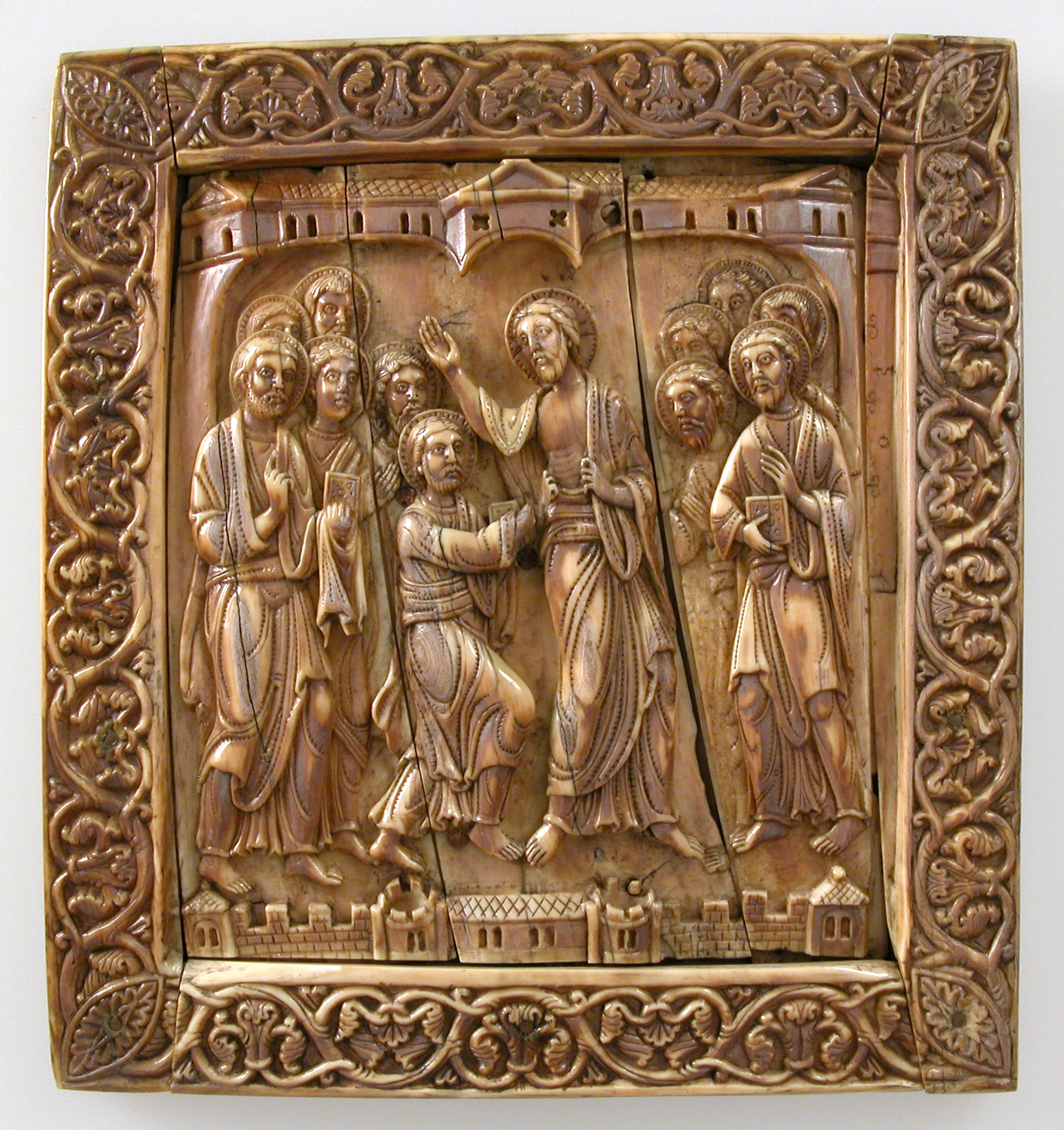
Blessed are they that have not seen and have believed
John Henry Newman
St Thomas is the Apostle who doubted the Resurrection of our Lord. This want of faith has given him, in the minds of most people, a certain distinct place, and it is alluded to in the prayer of this day. Yet we must not suppose that he differed greatly from the other Apostles. They too, more or less, distrusted Christ’s promises when they saw Him carried away to be crucified. When He was buried, their hopes were buried with Him, and when the news was brought that He had risen again, they believed it not. When He appeared to them, He reproached them with their unbelief and hardness of heart. Mark 16:14 But because St Thomas was not present at that time and only heard from his fellow Apostles that they had seen the Lord, his season of perplexity and darkness lasted longer than theirs.
St Thomas therefore loved his Master, as became an Apostle, and was devoted to His service, yet when he saw Him crucified his faith for a time gave way, as did that of the others. Still we need not deny that his special doubt of the Resurrection was not wholly due to circumstances, but partly arose from a certain infirmity of mind. The narrative of St John himself, and our Lord’s words to him, seem to imply that he was more to blame than the rest. That he alone stood out, not against one witness but against his ten fellow disciples, and also against Mary Magdalene and the other women, is a proof of this, as well as his strong words Except I shall see in His hands the print of the nails, and put my finger into the place of the nails, and put my hand into His side, I will not believe. (John 20:25)
It is remarkable that, little as we know of St Thomas, the one other saying preserved of him before Christ’s crucifixion shows something of the same perplexed and doubting state of mind. When Christ said that He was going to the Father by a way which they knew, Thomas interrupted Him with the objection Lord, we know not whither Thou goest, and how can we know the way. (John 14:5) That is, we see not heaven, nor the God of heaven, how then can we know the way thither. He seemed to desire some sensible certainty of the unseen state, some infallible sign from heaven, a ladder of angels like Jacob’s, which might remove his disquiet by showing him the end of the road at the moment he set out. Such a craving for assurance possessed him, and the same desire arose in him when he heard of Christ’s Resurrection.
Being weak in faith, he suspended his judgment and seemed resolved to believe nothing until everything was shown to him. When therefore our Saviour appeared to him, eight days after His appearance to the others, He allowed him what he required and convinced his senses that He truly lived, yet He added a rebuke and implied that, in condescending to his weakness, He withheld from him a higher blessedness. Put in thy finger hither and see My hands, and bring hither thy hand and put it into My side, and be not faithless, but believing. And Thomas answered and said to Him My Lord and my God. Jesus saith to him Because thou hast seen Me, Thomas, thou hast believed, blessed are they that have not seen and have believed. (John 20:27–29)
After all, however, we are less occupied with speculations about the natural character and disposition of the blessed Apostle whose memory we celebrate, than with the circumstance in which his name occurs and with our Lord’s words upon it. All His disciples serve Him, among other ways, by giving occasion to the words of grace which proceed from His mouth. They serve Him even in their weaknesses, which Scripture often records openly and does not conceal, as Christian friends would from piety, that He may turn them into instruction and consolation for His Church. Thus Martha’s over-anxious care about domestic service gave Him occasion to confirm the life of contemplation and prayer, and thus in the history before us the excessive caution of St Thomas has obtained for us the promise of a special blessedness for those who believe without seeing.