Gospel of the Sunday (John 16:5–14)
At that time Jesus said to his disciples: But now I go to him that sent me: and none of you asketh me: Whither goest thou? But because I have spoken these things to you, sorrow hath filled your heart. But I tell you the truth: it is expedient to you that I go: for if I go not, the Paraclete will not come to you; but if I go, I will send him to you. And when he is come, he will convince the world of sin, and of justice, and of judgment. Of sin: because they believed not in me. And of justice: because I go to the Father; and you shall see me no longer. And of judgment: because the prince of this world is already judged. I have yet many things to say to you, but you cannot bear them now. But when he, the Spirit of truth, is come, he will teach you all truth. For he shall not speak of himself; but what things soever he shall hear, he shall speak, and the things that are to come he shall shew you. He shall glorify me; because he shall receive of mine, and shall shew it to you.
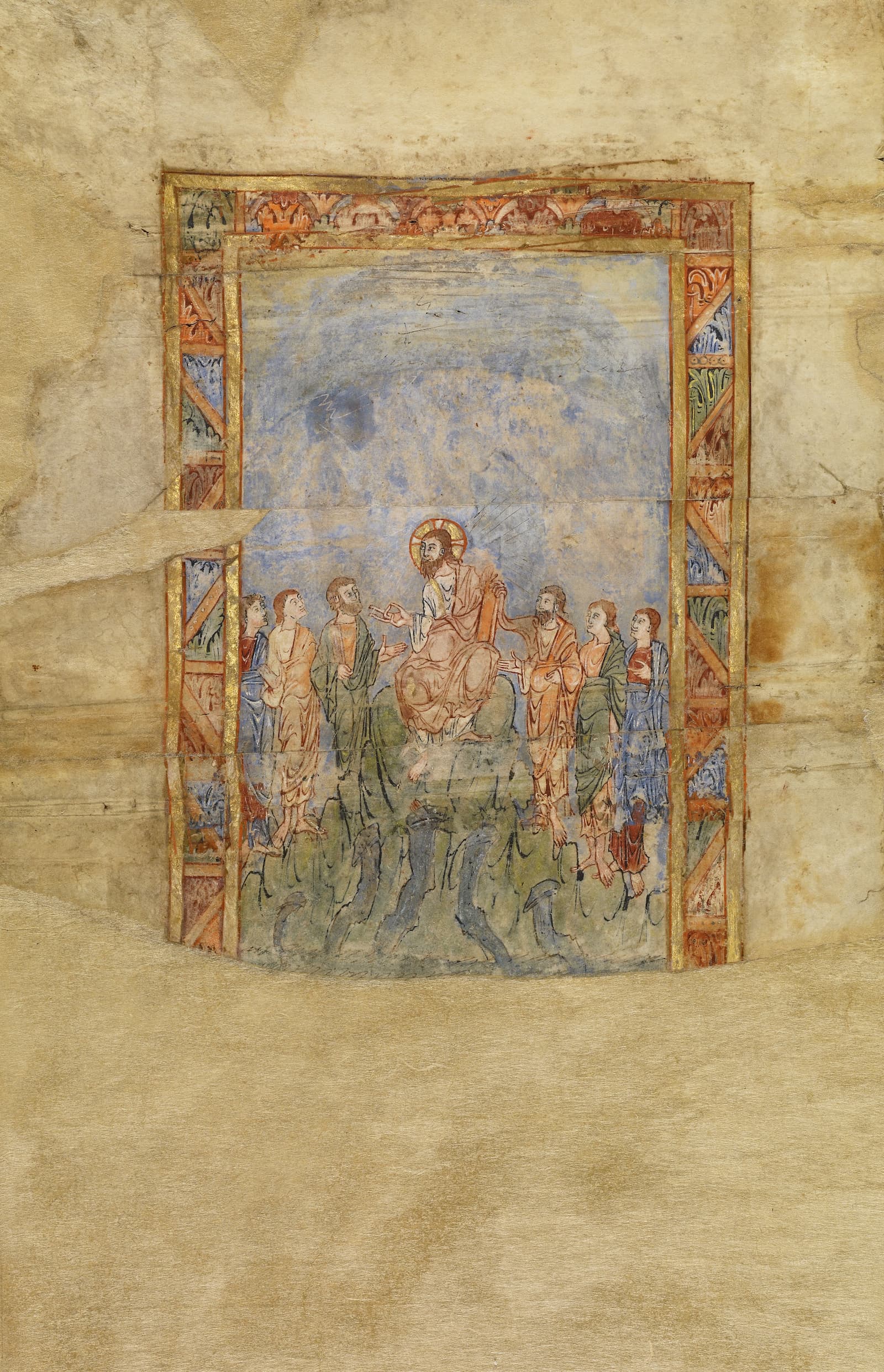
From the Tractates of Saint Augustine on the Gospel according to John
It is expedient for you that I go. For if I go not, the Paraclete will not come to you; but if I go, I will send him to you. What is this, brethren? Was the Son less than the Holy Ghost, that he should say Unless I go, he will not come? Far be it. But because the disciples were yet carnal, and loved the presence of the flesh which they saw, that visible presence had to be taken from them, that their hearts might learn to desire what is invisible.
The Lord therefore departed not so as to forsake those whom he had redeemed, nor did the Holy Ghost so come as to take the place of the Son. For the Trinity is inseparable: where the Father is, there also is the Son and the Holy Ghost. But there is one presence according to the form of a servant, and another according to the form of God. According to the form of a servant the Lord was visible; according to the form of God he is always invisible and equal to the Father. This bodily presence therefore he took away, that he might commend the spiritual presence.
And when he is come, he will convince the world of sin, and of justice, and of judgment. Of sin, because they believed not in me. For this is the greatest sin: not to believe in Christ; because by this unbelief a man remains in all his sins. Of justice, because I go to the Father; and you shall see me no longer. What else is this but that he is just whom the Father glorifieth? For if he had been a sinner, he would not have been raised from the dead, nor exalted to him who is just.
Of judgment, because the prince of this world is already judged. Already judged, that is, already condemned is the devil; although he still exercises his power over the unbelieving, yet he has been overcome by the passion of Christ. And as he is already judged, so also are they judged who choose to remain in his company.
I have yet many things to say to you, but you cannot bear them now. Not because there was nothing more to be said, but because they were not yet able to receive it. But when the Spirit of truth is come, he will teach you all truth. Not as though he should teach anything different from the Son, but because by his grace he will make them understand what they had heard. For he pours charity into the hearts, without which nothing is rightly understood.
For he shall not speak of himself; but what things soever he shall hear, he shall speak. This is not to be understood as though the Holy Ghost should hear from elsewhere than from the Father and the Son, but because he is of the Trinity itself and proceeds inseparably from it. Therefore the things that he speaks are the things of God, and what is of God is one truth.